Ever thought your dream trip to North Africa might cost a fortune? Many fear that exploring Morocco’s souks and dunes will empty their pockets fast. The truth might surprise you.
Planning a trip to Morocco lets you manage your spending easily. You can choose from backpacker hostels to luxury riads, fitting your budget. Enjoying authentic tagines and rich culture won’t have to break the bank.
Knowing how to balance your spending with local prices makes your trip smooth. By learning where to save and splurge, you’ll find Morocco offers great value for all visitors.
Key Takeaways
- Travel costs in this region are highly flexible and cater to all budgets.
- You can easily find affordable street food and local transportation options.
- Luxury experiences remain accessible compared to many Western destinations.
- Smart planning helps you avoid common tourist price traps.
- Your daily spending depends largely on your choice of accommodation and activities.
Understanding the Reality: Is Morocco Expensive?
If you’re wondering “is Morocco expensive,” you’re on the right path to smart planning. Many travelers get confused by high prices in tourist spots. But, the real cost of living in Morocco is different. Knowing this difference can help you have a more affordable and real experience.
The Concept of Value in Moroccan Tourism
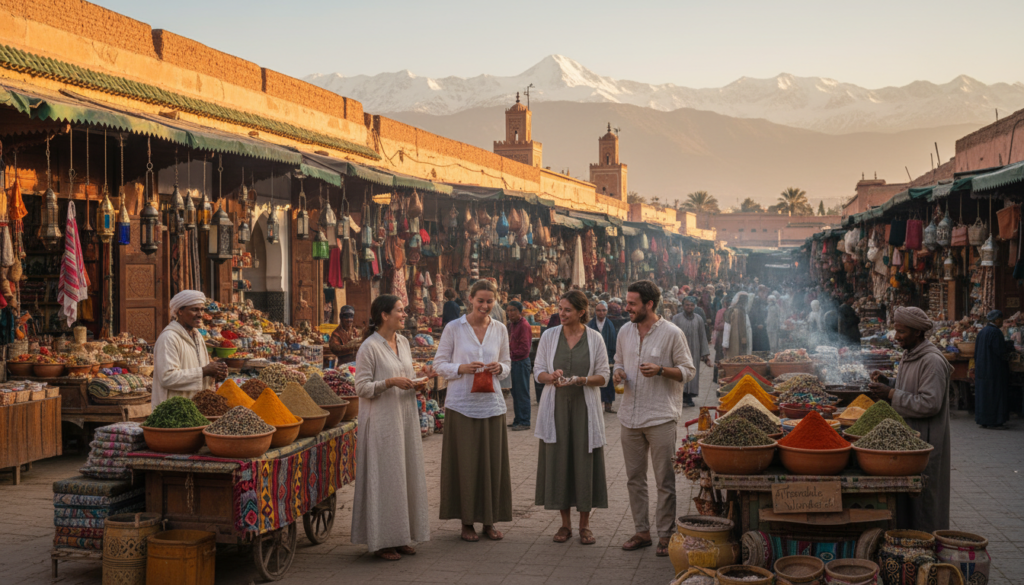
Value in Morocco depends on your travel style. Luxury riads and private tours are pricey, but they offer exceptional service. This service would cost a lot more in the United States. Your money goes further here, letting you enjoy top-notch amenities without spending too much.
Remember, is Morocco expensive depends on how you see it. If you choose local markets and traditional transport, your costs stay low. It’s all about knowing where to splurge and where to save.
Comparing Morocco to Western Standards
Local infrastructure in Morocco might seem different from what you’re used to. This is part of its charm but also shows a different economic reality. Knowing the cost of living in Morocco helps you adjust your expectations.
Seeing these differences as a chance to dive into a new culture is key. By aligning with local norms, your travel budget stretches further than you think. Flexibility is your greatest asset in Morocco’s financial landscape.
Daily Budget Breakdown for Different Travel Styles
Your trip to Morocco can be as cheap or fancy as you want. It all depends on how you travel each day. Knowing the prices in Morocco helps you plan your money for the whole trip.
Backpacker and Budget Traveler Expectations
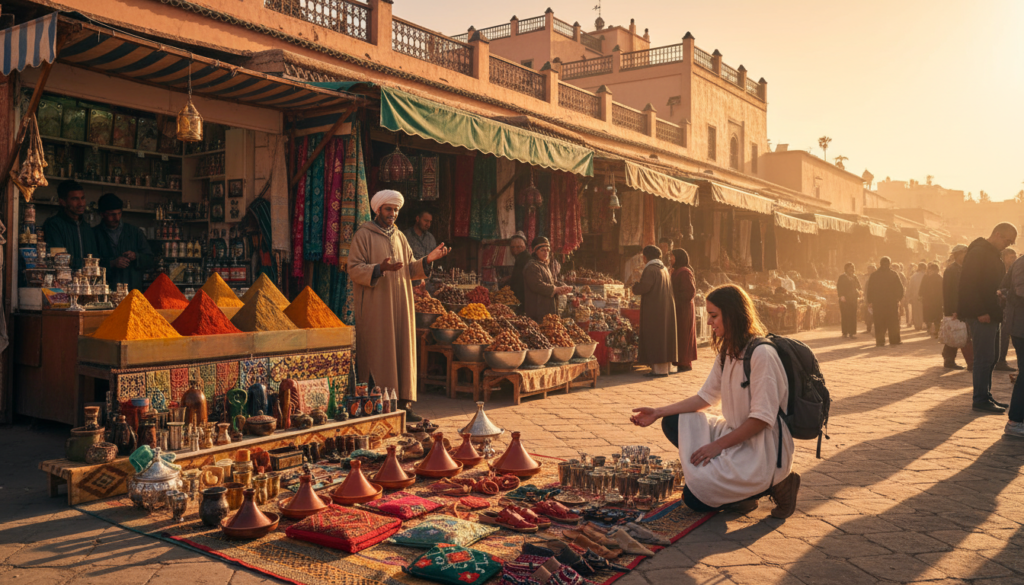
For budget travel in Morocco, expect to spend $30 to $50 daily. This means staying in shared hostels and using local transport. Eating at markets and street food keeps costs low.
Mid-Range Comfort and Boutique Experiences
Those wanting comfort without breaking the bank spend $80 to $150 daily. You can stay in cozy riads and take private tours. Enjoying meals in casual restaurants is also an option.
Luxury Travel and High-End Riads
For a top-notch experience, budgets over $250 are common. This includes staying in fancy riads and getting private drivers. You’ll also dine at exclusive fine-dining establishments.
| Travel Style | Daily Budget (USD) | Accommodation Type |
|---|---|---|
| Backpacker | $30 – $50 | Hostel Dorms |
| Mid-Range | $80 – $150 | Boutique Riads |
| Luxury | $250+ | High-End Riads |
The prices in Morocco can change based on your choices. Whether you’re saving or splurging, planning helps. These tiers make your trip smooth and enjoyable, tailored to your needs.
Accommodation Costs Across the Country
Finding the right place to stay is key to an affordable Morocco adventure. Morocco has a wide range of places to stay, from simple guesthouses to grand palaces. These places feel like they’re straight out of a storybook.
Knowing the costs helps you plan your budget. Whether you like the social vibe of a hostel or the quiet of a desert retreat, there’s a perfect spot for you.
Budget Hostels and Local Guesthouses
Traveling on a tight budget? You’ll find plenty of hostels and local guesthouses. These places offer a genuine cultural experience. You can meet locals and other travelers in a friendly setting.
In cities like Marrakech or Fez, hostels have clean, shared dorms at low prices. Choosing these spots keeps your daily costs down while you enjoy the medina’s heart.
Mid-Range Riads and Hotels
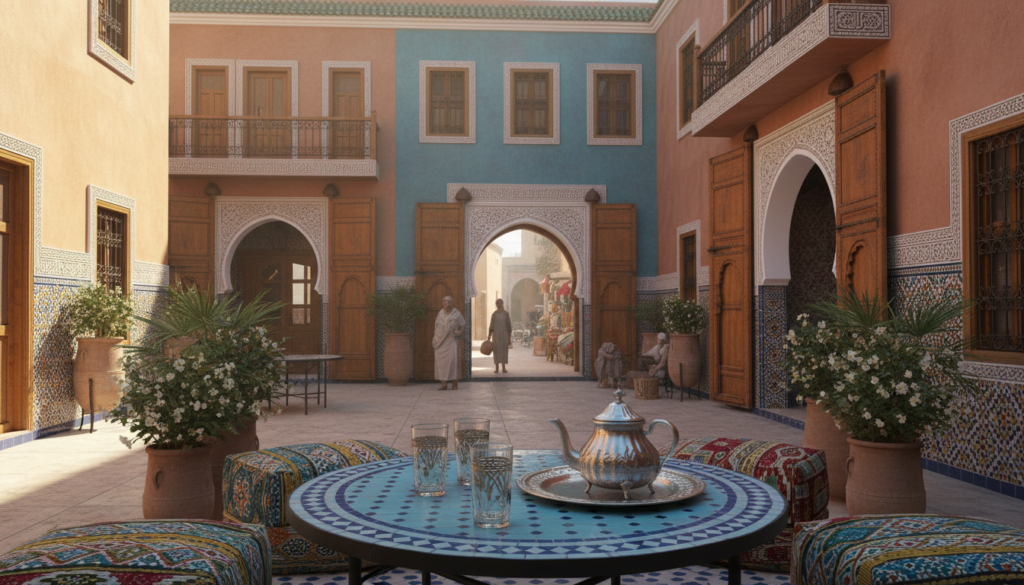
Looking for a bit more comfort? Mid-range riads are a great choice. A riad is a traditional Moroccan house with a garden or courtyard, now a boutique hotel.
These places offer personalized service, tasty homemade breakfasts, and stunning architecture. Staying in a riad is often the best part of an affordable Morocco trip. It mixes luxury with affordable prices.
Luxury Resorts and Desert Camps
Want to splurge? Morocco’s high-end market is top-notch. You can pick from luxury resorts in the Palmeraie or exclusive once-in-a-lifetime desert camps in the Sahara.
Desert camps offer a unique experience. You can sleep under the stars in a luxury tent with modern comforts. While pricey, they make your affordable Morocco trip unforgettable with a touch of luxury.
Dining Out and Food Expenses
Exploring Moroccan cuisine is a must-do on any trip. It’s great for your wallet too. You can find everything from quick snacks to fancy meals without breaking the bank. Just remember, you can mix high-end spots with street food to save money.
Street Food and Local Markets
For a true taste of Moroccan culture, visit the local markets or souks. Here, you’ll find fresh ingredients and meals at low prices. Street food is tasty and won’t empty your wallet.
Look for stalls with harira soup, fresh bread, and grilled skewers. These are local favorites and very affordable. Watching these prices helps stretch your daily budget.
- Harira Soup: A hearty, inexpensive lentil and tomato soup.
- Msemen: A delicious, flaky flatbread perfect for breakfast.
- Fresh Fruit: Seasonal produce from local vendors is always a bargain.
Casual Dining in Tourist Hubs
In places like Marrakech or Fes medinas, you’ll find cafes for travelers. They offer a good middle ground. You can enjoy a meal without the high costs of fancy places. Most serve classic dishes like tagines and salads.
Expect to pay a bit more for English menus and prime locations. But, these places are affordable for most travelers. A good lunch is often found at a reasonable price, avoiding the most famous spots.
Fine Dining and Alcohol Prices
Morocco has amazing fine dining in riads and upscale hotels. These places offer a sophisticated atmosphere and top service. While pricey, they’re a trip highlight.
Remember, alcohol is not everywhere and can be expensive. If you want wine with dinner, add it to your budget. Here’s a guide to help plan your food spending.
| Dining Style | Estimated Cost (USD) | Experience Level |
|---|---|---|
| Street Food | $2 – $5 | Authentic & Quick |
| Casual Cafe | $8 – $15 | Comfortable & Relaxed |
| Fine Dining | $30 – $60+ | Luxury & Formal |
By choosing where to eat wisely, you can manage your prices in morocco well. A mix of street food and occasional splurges lets you enjoy Morocco’s food scene without overspending.
Transportation Costs and Getting Around
Knowing how to get around Morocco is key to managing your moroccan expenses. The country has many ways to travel, but your choice affects your daily spending. It’s important to find a balance between cost and convenience for a smooth trip.
Navigating Cities via Petit Taxis
In cities, petit taxis are the go-to for short trips. They are cheap and perfect for short distances. Always make sure the driver uses the compteur to avoid paying too much.
If a driver won’t use the meter, look for another taxi. This keeps your moroccan expenses fair and predictable. These taxis only go within city limits, not to other towns.
Intercity Travel by Train and Bus
For longer trips, Morocco’s national rail network is reliable. ONCF trains are comfy, efficient, and affordable. Booking early can get you a better deal.
For remote areas, buses are the best choice. CTM buses are modern and connect most of the country. They are highly reliable and budget-friendly.
Private Drivers and Car Rentals
Hiring a private driver gives you total freedom. It’s the most expensive option but lets you stop whenever you want. It’s great for groups or when time is short.
Renting a car offers independence but requires confidence in local traffic. Remember to include fuel, parking, and insurance costs. Weigh these against the convenience of having your own car.
| Transport Mode | Best For | Cost Level |
|---|---|---|
| Petit Taxi | Short city trips | Very Low |
| Train (ONCF) | Major city connections | Moderate |
| Bus (CTM) | Remote destinations | Low |
| Private Driver | Customized tours | High |
Activity and Sightseeing Fees
Exploring Morocco can be both affordable and indulgent. You can find ancient ruins and vibrant markets. Setting aside some money for attractions ensures you see the best sights.
Planning your sightseeing budget helps you focus on what’s important to you. Whether you love history or adventure, knowing costs keeps your budget in check.
Museums and Historical Monuments
Most historical sites and museums in Morocco have small entrance fees. You might pay $2 to $7 to see places like the Bahia Palace in Marrakech or the Medersa Bou Inania in Fez.
These fees are very affordable compared to what you might pay in the West. It’s a good idea to have local currency, as some sites don’t take credit cards.
| Attraction Type | Estimated Cost (USD) | Notes |
|---|---|---|
| Small Museums | $1 – $3 | Often cash only |
| Major Palaces | $5 – $8 | High historical value |
| Historical Sites | $2 – $5 | Best visited early |
Guided Tours and Excursions
Guided tours and desert excursions are often the highlight of a Moroccan trip. They are more costly than exploring alone but offer insights you can’t get by yourself.
“The true beauty of a desert excursion lies in the silence of the dunes and the expertise of a local guide who knows the hidden paths.”
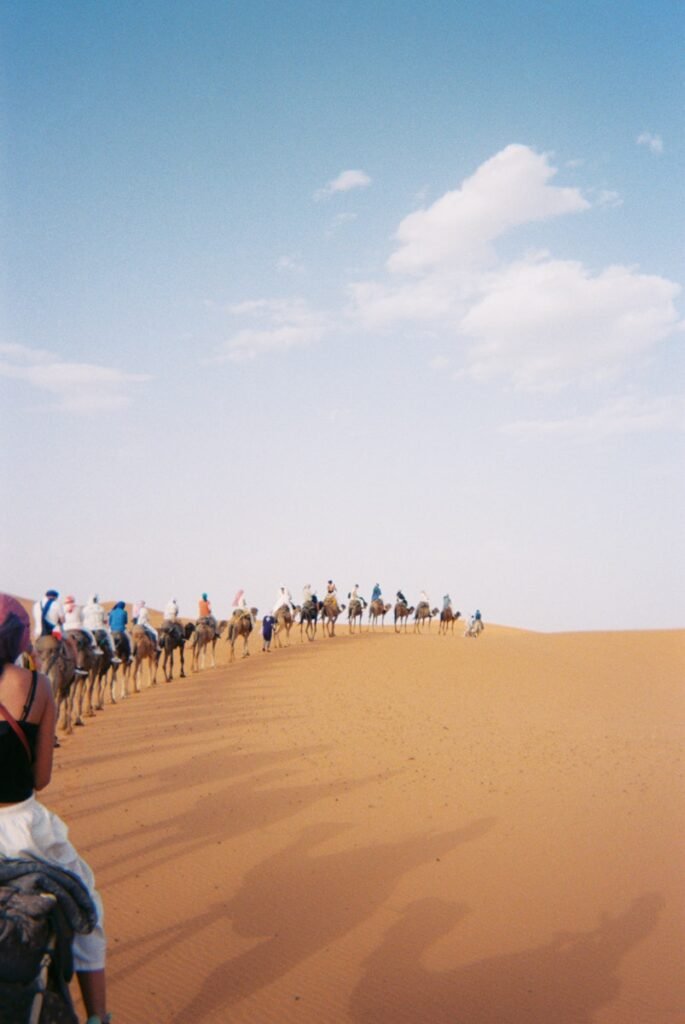
A full-day guided tour usually costs between $30 and $60 per person, based on group size. Multi-day desert trips, which include transport, meals, and lodging, can range from $150 to $400, depending on the luxury level.
Free Experiences and Cultural Immersion
You don’t have to spend a lot to experience Morocco’s essence. Many unforgettable moments are free and offer deep cultural immersion.
Consider adding these free activities to your plan to save money:
- Wandering through the labyrinthine alleys of historic medinas.
- People-watching in the bustling Jemaa el-Fnaa square.
- Exploring the vibrant, colorful souks to admire local craftsmanship.
- Enjoying the sunset from a public viewpoint or a coastal promenade.
Mixing free activities with a few paid excursions creates a fulfilling trip. This way, you can enjoy Morocco’s best without breaking the bank.
Identifying the Most Expensive Cities in Morocco
Planning a trip to Morocco? Some cities cost more than others. Knowing the expensive cities in Morocco helps you plan your budget better.
Marrakech: The Premium Tourist Hub
Marrakech is a top choice for tourists, making it pricey. Luxury riads and hotels here are more expensive than in smaller towns.
The city caters to international visitors. While budget options exist, living costs in Marrakech are often higher than elsewhere.
Casablanca: Business and Urban Costs
Casablanca is Morocco’s business hub, with prices to match. Dining and staying here is pricier due to its modern, busy vibe.
Being one of the expensive cities in Morocco, Casablanca targets corporate travelers. Expect to pay more for luxury and central locations.
Tangier and the Northern Price Premium
Tangier’s location near Europe and as a major port adds to its costs. This northern city has a higher price tag due to its international appeal.
Visiting Tangier? Costs are influenced by:
- Seasonal demand in summer.
- High-end dining options.
- Its role as a major transit hub.
Understanding these differences helps you budget better. Whether in Marrakech’s markets or Tangier’s coast, knowing your expenses ensures a stress-free journey.
Hidden Costs and Financial Planning
Managing your money in Morocco means looking beyond the obvious costs. You need to understand local financial customs. Even small, recurring expenses can affect your cost of living in morocco during your stay. Being prepared for these details helps keep your trip stress-free and within budget.
Tipping Culture and Expected Gratuities
Tipping, or baksheesh, is a big part of the local culture. It shows appreciation for services like porters, waiters, and guides. Always carry small amounts of cash for these situations.
In restaurants, a 10% tip is standard if there’s no service charge. For smaller services, like help with bags or directions, a few dirhams are enough and appreciated.
Currency Exchange and ATM Fees
Getting cash is key to managing your budget. Credit cards are accepted in some places, but cash is preferred by many vendors. Be mindful of high international transaction fees that can affect your cost of living in morocco.
To save money, use ATMs inside bank branches, not tourist areas. Always choose to be charged in Moroccan Dirhams to avoid bad exchange rates from your bank.
The Cost of Haggling and Souvenirs
Haggling is more than just a transaction; it’s a social interaction in souks. Don’t accept the first price. Be friendly, and you’ll often get a better deal.
Knowing the value of goods helps you avoid overpaying for souvenirs. If a price seems too high, it’s okay to walk away. This practice is part of the local economy and helps you stay within budget.
| Expense Category | Typical Range (USD) | Frequency |
|---|---|---|
| Small Tips (Baksheesh) | $0.50 – $2.00 | Daily |
| ATM Withdrawal Fee | $3.00 – $7.00 | Per Transaction |
| Souvenir Haggling Margin | 20% – 50% off | Per Purchase |
| Public Restroom Fee | $0.20 – $0.50 | As Needed |
Practical Tips for Saving Money in Morocco
Want to explore North Africa without breaking the bank? These tips for saving money in Morocco are perfect for you. Small changes to your plans can lead to a great vacation without overspending. Embracing budget travel in Morocco means making smart choices that stretch your budget.
Traveling During the Off-Season
Visiting Morocco in the off-season can save you a lot. Prices for places to stay drop in the winter, except for holidays. Riads and hotels offer discounts to attract guests when it’s cooler.
Off-season travel also means fewer people at famous spots. You’ll get a closer look at places like the Jardin Majorelle or the Bahia Palace. This is a key part of traveling smart.
Eating Where the Locals Eat
Avoid expensive restaurants in tourist areas. Instead, find small, busy places where locals eat. These spots offer real Moroccan dishes at lower prices than fancy restaurants.
Street food is another great way to save. Try fresh bread, olives, and grilled meats from markets. They’re tasty and won’t empty your wallet. Choose places with lots of customers for fresh, safe food.
Booking Transport and Tours in Advance
Plan your travel and tours before you go to save money and stress. Booking train tickets online can get you a seat at the regular price. Desert tours booked in advance let you compare prices and find the best deal.
Planning ahead helps you avoid last-minute price hikes. This is key to keeping your budget in check. See how timing affects your savings in the table below.
| Expense Category | Peak Season Cost | Off-Season Cost | Potential Savings |
|---|---|---|---|
| Boutique Riad | $120 – $180 | $70 – $100 | Up to 45% |
| Desert Tour | $300 – $450 | $200 – $280 | Up to 35% |
| Car Rental | $50 – $70/day | $30 – $45/day | Up to 40% |
By following these tips for saving money in Morocco, you can enjoy the culture without worrying about money. Being flexible is key in the local market. Have a great trip, knowing you’ve made the most of your budget.
Managing Your Money While Traveling
Learning to manage your money is key to a worry-free Moroccan trip. By keeping an eye on your moroccan expenses, you can make sure your money lasts. A bit of planning can help you avoid stress while you explore.
Cash vs. Card Usage
In Morocco, cash is king, even in big cities. Small shops and local markets only take cash. It’s smart to carry Moroccan Dirhams for everyday buys.
Credit and debit cards work in fancy hotels and big stores in cities like Casablanca or Marrakech. But, always have a backup card and tell your bank you’re traveling. Using an ATM at a bank is safest for getting local cash.
| Payment Method | Best For | Availability |
|---|---|---|
| Cash (Dirhams) | Souks, Taxis, Street Food | High |
| Credit/Debit Card | Hotels, Fine Dining | Moderate |
| Mobile Wallets | Modern Urban Hubs | Low |
Setting a Daily Spending Limit
Setting a budget before you go helps manage your moroccan expenses. First, figure out your fixed costs like where you’ll stay and tours. Then, set aside money for food and fun. This way, you won’t spend too much and keep your money safe.
“A budget is telling your money where to go instead of wondering where it went.”
If you’re close to your spending limit, look for free things to do. Visit public gardens or walk through old medinas. Keeping track of your spending helps you stay on track. This way, you can enjoy your trip without money worries.
Conclusion
Morocco has something for everyone, no matter your budget. You can dive into lively souks or unwind in peaceful desert camps. Just plan well.
Learning how to manage your money lets you enjoy Morocco’s rich culture and history. With smart saving tips, your money will go further. This way, you can explore more.
You’re now ready to shop in local markets and use public transport easily. Whether you pick a fancy Riad in Marrakech or a cheap guesthouse in Chefchaouen, your trip will be memorable.
Remember these money-saving tips as you plan your trip. With good planning, your vacation will be more than just a trip. It will be a journey through ancient cities and beautiful landscapes.
Get your bags ready for an amazing adventure. Morocco’s magic awaits you.